Framer Alternatives
A curated collection of the 5 best alternatives to Framer.
The best alternative to Framer is Webflow. If that doesn't suit you, we've compiled a ranked list of other Framer alternatives to help you find a suitable replacement. Other interesting alternatives to Framer are: Wegic, Bubble, Duda and Glide.
Framer alternatives are mainly AI App Builders tools. Browse these if you want a narrower list of alternatives or looking for a specific functionality of Framer.


Build, manage, and optimize your site with AI at your side.
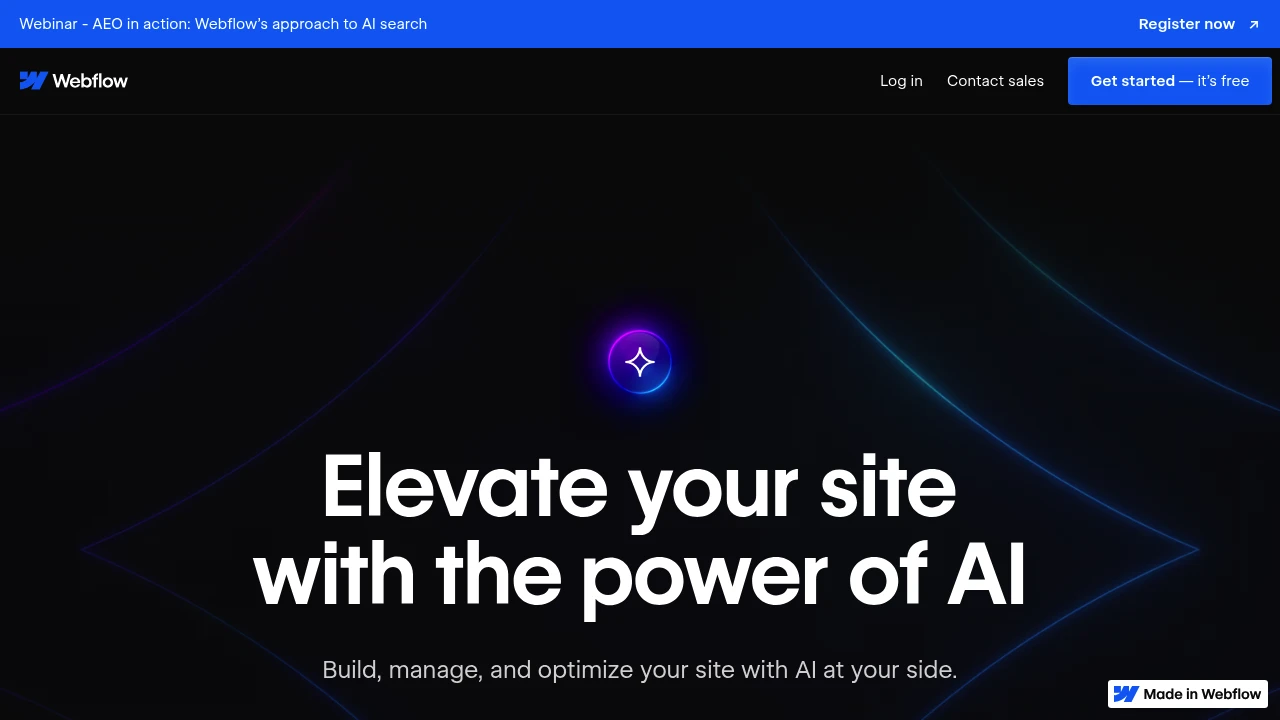
Webflow is a visual web design platform that lets you build professional websites without coding. It combines the power of HTML, CSS, and JavaScript with an intuitive drag-and-drop interface. The platform serves designers, developers, and businesses who want complete creative control over their websites.
Key Highlights
- Visual editor that generates clean, semantic code automatically
- Responsive design tools for mobile-first development
- Built-in CMS for dynamic content management
- Advanced animations and interactions without JavaScript
- SEO optimization tools and fast hosting included
- E-commerce functionality for online stores
- Team collaboration features for design workflows
What Makes It Different
Webflow bridges the gap between design tools and development platforms. Unlike traditional website builders, it gives you pixel-perfect control while generating production-ready code. The platform lets designers create complex layouts and interactions that would typically require custom development.
Features & Capabilities
The visual editor works like design software but outputs real websites. You can create custom layouts, add animations, and build interactive elements through a visual interface. The CMS lets you manage dynamic content like blogs, portfolios, and product catalogs.
Webflow includes hosting with global CDN, SSL certificates, and automatic backups. The platform supports custom domains, form handling, and third-party integrations. Advanced users can add custom code and connect external APIs.
User Ratings and Testimonials
Webflow has an average rating of 4.5 out of 5 stars from over 1,200 reviews across G2 and Product Hunt.
Many find the visual editor intuitive and love the freedom it gives designers. The platform gets praise for clean code output and responsive design capabilities. Several mention it's more reliable than WordPress with fewer plugin issues.
Some note the steep learning curve and occasional bugs. A few report mobile performance limitations that can hurt site scores. The complexity can be overwhelming for simple projects.
Pricing & Value
Webflow offers several pricing plans:
- Starter (Free): Custom domain, 2 pages, and 20 CMS collections with 50 CMS items
- Basic ($18/month): Custom domain, 150 pages, and unlimited form submits
- CMS ($29/month): 150 pages, 2,000 CMS items, and site search functionality
- Business ($49/month): 300 pages, 10,000 CMS items, and 100 GB bandwidth
- Enterprise: Custom pricing with guaranteed SLA, advanced collaboration, and enterprise security
Save up to 22% with yearly billing.
The free Starter plan includes basic website building with limited pages and CMS functionality, making it competitive for simple sites compared to other website builders.
Looking for alternatives to other popular tools? Check out other posts in the alternatives series and flowtools.co, a directory of best AI tools with filters for tags and categories for easy browsing and discovery.

Wegic is a chat-based AI website builder that designs, edits, and publishes a custom site for you, with no coding required.
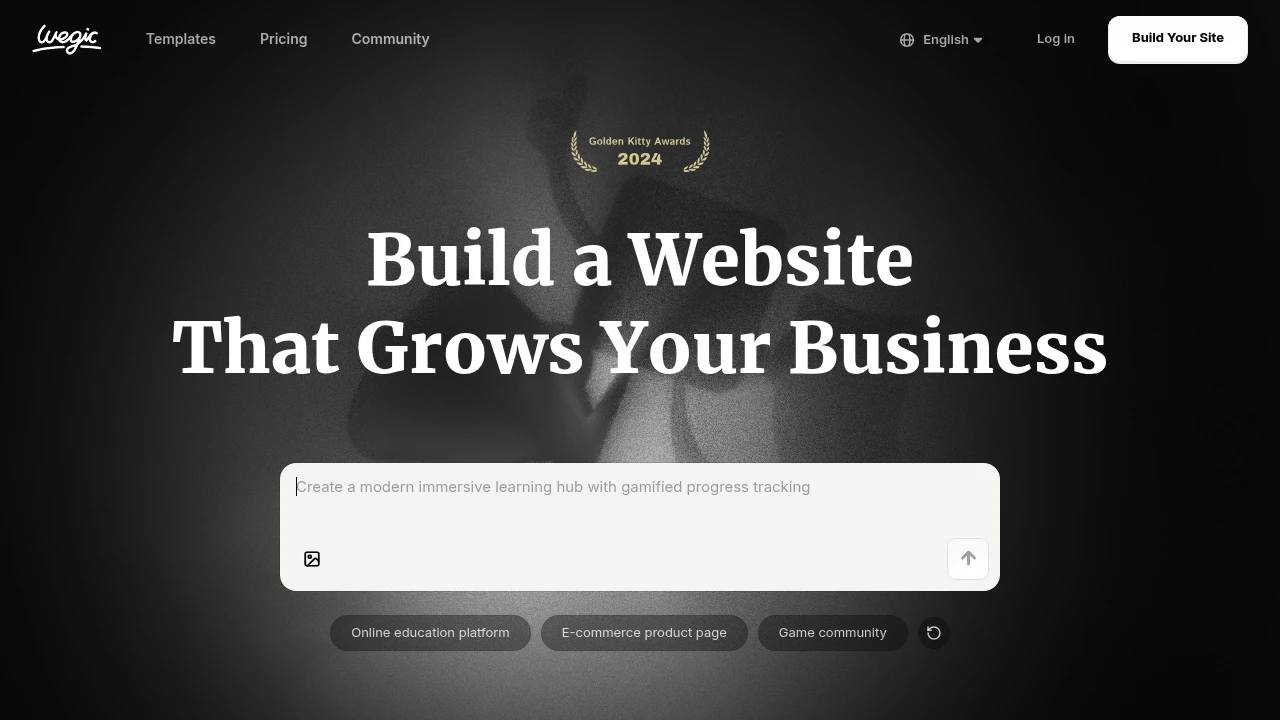
Wegic is a chat-based AI website builder that acts like an on-demand website team: an AI designer, developer, and manager in one chat box. It is built for small business owners, freelancers, and first-timers who want a custom site without an agency or code. You describe the site, pick a style and language, and Wegic generates it, then you keep editing by chat and publish in one click.
Key Highlights
- Generate a full custom website from a plain-language chat description
- Edit any element by talking to the AI, no template wrangling
- One-click publishing with automatic hosting
- Built-in SEO suite plus Google search indexing
- AI generation of logos, images, and video
- Hundreds of multilingual templates across retail, travel, health, and more
What Makes It Different
Most AI website builders hand you a draft, then drop you into a traditional drag-and-drop editor. Wegic keeps the whole workflow conversational: the same AI that builds the first version also handles edits, so changing a section, swapping copy, or restyling a page is a chat message rather than a manual task. Wegic frames this as an "AI website team" so beginners are never stuck on a blank canvas.
Features & Capabilities
The core loop is chat to build, edit, and go live in one click. You provide a name, requirements, style, and language, and Wegic produces a mobile-responsive site you refine through conversation. Paid plans add a custom domain, watermark removal, code download, auto-backup version history, and AI media generation.
Wegic also bundles conversion tools: a booking and form system, basic e-commerce, global payments, social integration, and a built-in SEO and local SEO toolkit. The company says more than 500,000 sites have been built across 230+ countries, around 80% by first-time builders.
User Ratings and Testimonials
Wegic holds about 4.2 out of 5 from 25+ reviews on Product Hunt, where users praise how fast it generates a usable site and how approachable the chat editing is. Trustpilot is more critical (around 2.9/5 from a handful of ratings), citing slow performance or crashes, credits consumed when an edit fails, and refund terms some find restrictive.
Pricing & Value
- Trial pack: $2.99 one-time (once per account), 1 website generation, free .wegic.net domain for 7 days, credited toward a future plan
- Starter: $39.90/month (about $23.94/month annually at 40% off), 600 credits/month, permanent .wegic.net publishing, watermark removed, SEO suite, code download
- Premium: $69.90/month (about $41.94/month annually), 2,000 credits/month, a permanent custom domain, and discounted extra credits
Free sign-up credits let you chat with the AI, but generating a site needs a paid plan. The $2.99 trial pack is the cheapest way to test a real generation; yearly plans carry a 14-day money-back guarantee.

A no-code platform that builds full-stack web and mobile apps from AI prompts, for founders and teams without developers.
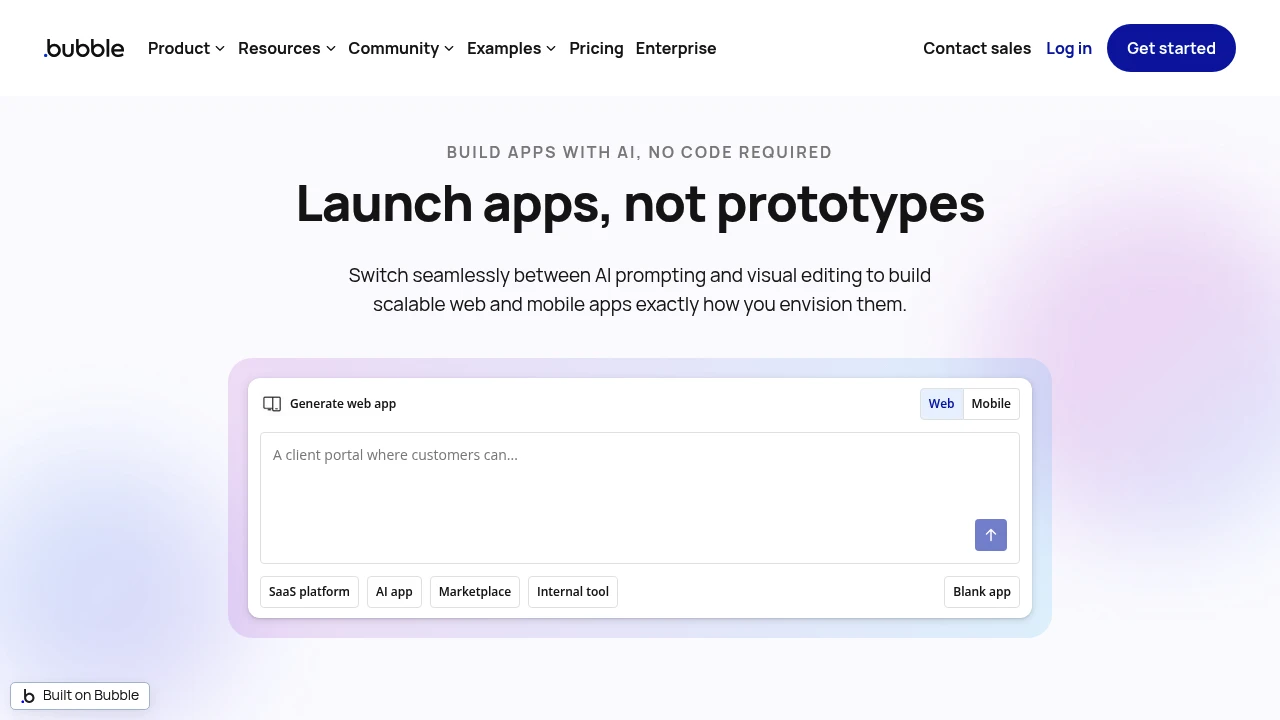
Bubble is a no-code platform for building full-stack web and mobile apps using AI prompts and a visual editor. It is built for founders, agencies, and teams who want to ship real software without hiring developers. You start with the AI agent to generate an app, then fine-tune the design, database, and logic by hand for precision.
Key Highlights
- Generate a working app from a text prompt, then edit it visually
- Build for web, iOS, and Android from one project with a shared backend
- Built-in database, hosting, and security, with no separate stack to manage
- Connect services like Stripe and Google Maps through an API connector
- Thousands of templates and plugins to extend an app
- Used by over 5 million builders, with more than 6 million apps created
What Makes It Different
Bubble combines AI generation with full visual control rather than locking you into prompt-only editing. After the AI agent scaffolds an app, you open the visual editor to set exact design, workflows, and privacy rules, so you are not stuck regenerating the whole app to change one detail. It also covers web and native mobile (mobile runs on React Native) from one project, which most AI builders cannot.
Features & Capabilities
The workflow has three parts: design, data, and logic. You generate or import a design, build a database to organize your information, and automate actions through a point-and-click logic editor, all without code. Bubble handles hosting and the secure backend.
External services connect through plugins or the API connector, including Stripe and Google Maps, and native mobile apps publish to the Apple App Store and Google Play.
User Ratings and Testimonials
Bubble holds a 4.4 out of 5 rating on G2 across about 166 reviews. Users praise how much development time it saves, the all-in-one stack (database, APIs, front end, hosting), and the large plugin and agency marketplace. Common criticisms are a real learning curve and the usage-based "workload unit" pricing, which can grow unpredictable and costlier as an app scales.
Pricing & Value
- Free: $0, a development version with 1 app editor, 50K workload units per month, the API connector, and the native mobile editor for building (not launching)
- Starter: $59/month billed annually, adds a live website, custom domain, 175K workload units, and mobile build submissions
- Growth: $209/month billed annually, adds premium version control, two-factor authentication, 2 app editors, and 250K workload units
- Team: $549/month billed annually, adds sub apps, 5 app editors, and 500K workload units
- Enterprise: custom pricing with custom workload, choice of hosting location, and a dedicated support team
The Free plan is enough to build and test an app end to end, so you only pay once you launch. Students, nonprofits, and schools get discounts.


Similar proprietary alternatives:

 bisibility — Free beta: Track your website’s keywords, Google rankings, Search Console insights, and share of voice.


